Buying a used car can be an exciting process, but in Utah’s active vehicle market, it also requires vigilance. From Salt Lake City to St. George, unsuspecting buyers are frequent targets for sophisticated scams. Common issues range from odometer fraud and hidden damage to “curbstoning”—where dealers pose as private sellers to bypass regulations.
To help you protect your wallet and your safety, we’ve compiled a guide to the most common car scams in Utah and exactly how to spot them.
- Odometer Fraud
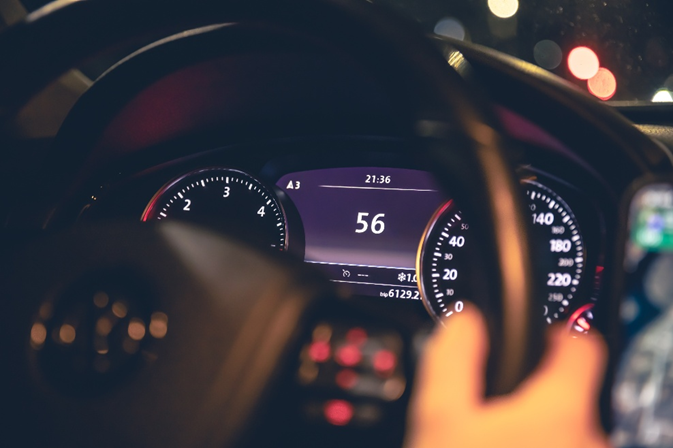
This is one of the oldest tricks in the book but remains prevalent due to modern technology. Scammers roll back digital or analog odometers to make high-mileage vehicles appear newer and more valuable. This doesn’t just cost you thousands in overpayment; it can mask worn-out parts that affect the vehicle’s safety.
How to spot it: Look for inconsistencies. Does the wear on the steering wheel, pedals, or driver’s seat look like it belongs to a car with 100,000 miles, even if the dash says 30,000? Always research the vehicle’s history with online title search companies to see recorded mileage at previous registrations
2. Curbstoning

“Curbstoning” occurs when dishonest dealers pose as private sellers. They do this to offload problem vehicles—often those that are damaged, salvaged, or non-compliant—without the legal oversight and warranty obligations required of licensed dealerships.
How to spot it: Be suspicious if the seller’s name is not on the title or if they offer an out-of-state title. Watch for inconsistent stories or a phone number linked to multiple “private” car listings online.
3. Damaged Car Concealment
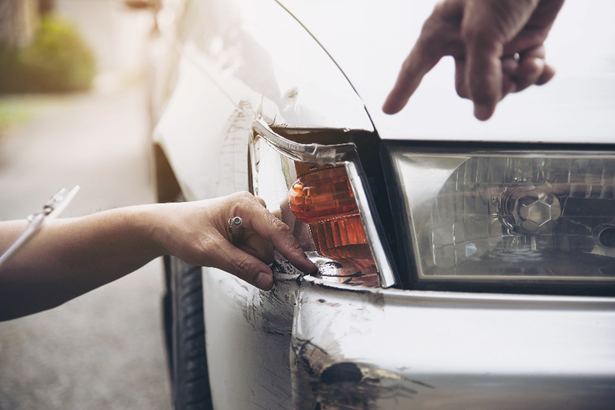
Scammers are experts at putting lipstick on a pig. They will use cosmetic fixes to hide severe structural issues like frame damage or flood history.
How to spot it: Inspect the body lines. Look for uneven panel gaps, mismatched paint, or the texture of body filler (run your hand over panels to feel for bumps). Don’t forget to check door jambs, the roof, and under the hood for “missed spots” that reveal the original condition or repainting.
4. Fake Online Ads (Phantom Cars)

If a deal looks too good to be true, it almost certainly is. Scammers create ads using stolen photos for cars that either don’t exist or aren’t actually for sale, aiming to steal your deposit.
How to spot it: The price is far below market value. The “seller” (often claiming to be a dealer) won’t confirm stock or gives vague details. A major red flag is a request for immediate, non-secure payment methods like wire transfers or gift cards before you’ve seen the car.
5. Out-of-State Title Issues
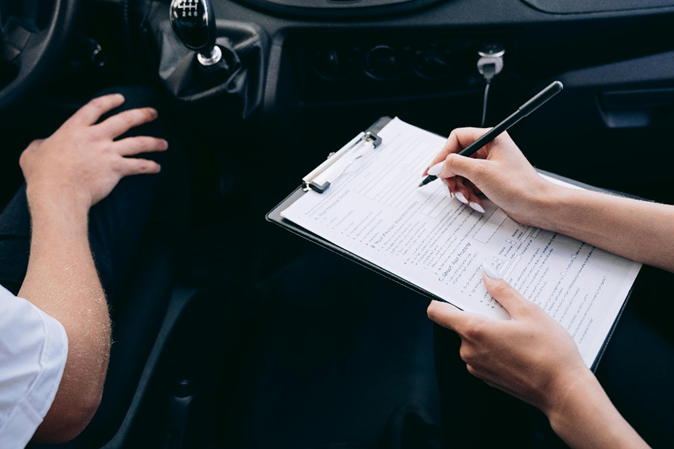
Vehicles with titles from states with lax titling laws can be brought into Utah to hide salvage or flood histories.
How to spot it: Be extra cautious of recently issued out-of-state titles. This is a prime reason to research the vehicle’s history thoroughly through a reputable third-party service
6. Title Washing and Lemon Laundering
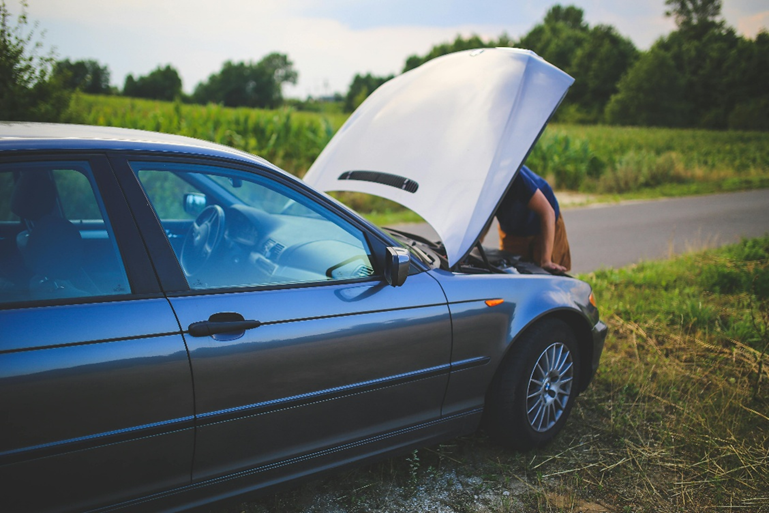
Title Washing involves illegally removing “salvage,” “flood,” or “odometer discrepancy” branding from a title, often by moving the car through different states. Lemon Laundering is similar, where a car returned as a “lemon” (defective) in one state is re-titled elsewhere to hide its mechanical history.
How to spot it: Use online history report services to track the title’s movement and look for previous branding designations. A thorough mechanical inspection is your best defense against a laundered lemon.
7. VIN Cloning
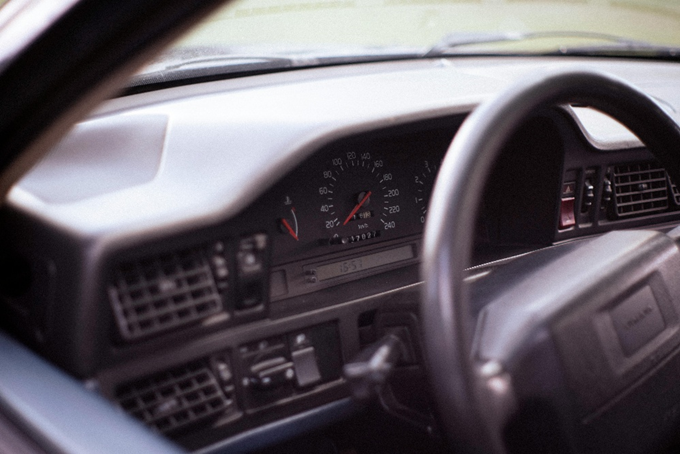
In this high-stakes scam, criminals attach a legitimate VIN plate to a stolen or wrecked car of the same make and model to mask its true identity.
How to spot it: Verify that the VIN on the dashboard, the door jamb sticker, and the title match exactly. Any discrepancy is a major warning sign
Key Prevention Tips
To stay safe, follow these golden rules of used car buying:
- See the car in person: Never buy a car sight unseen.
- Get a Pre-Purchase Inspection (PPI): Have a trusted mechanic inspect the vehicle before money changes hands.
- Check the History: Always run a title check and vehicle history report.
- Meet Safely: If buying from a private party, meet in safe, public places.
- Traceable Payments Only: Never use non-traceable payment methods like wire transfers or prepaid cards
Bought a Lemon? Fight Back with Experienced Legal Help
If you believe you have fallen victim to auto fraud, odometer tampering, or deceptive dealership practices, you do not have to handle it alone. Utah consumer protection laws are designed to shield buyers from these illegal scams.
Attorney David Head specializes in consumer protection law and helping individuals who have been taken advantage of by dishonest sellers. Don’t let scammers drive away with your hard-earned money.
Call David Head today at 801-691-7511 for a consultation.