
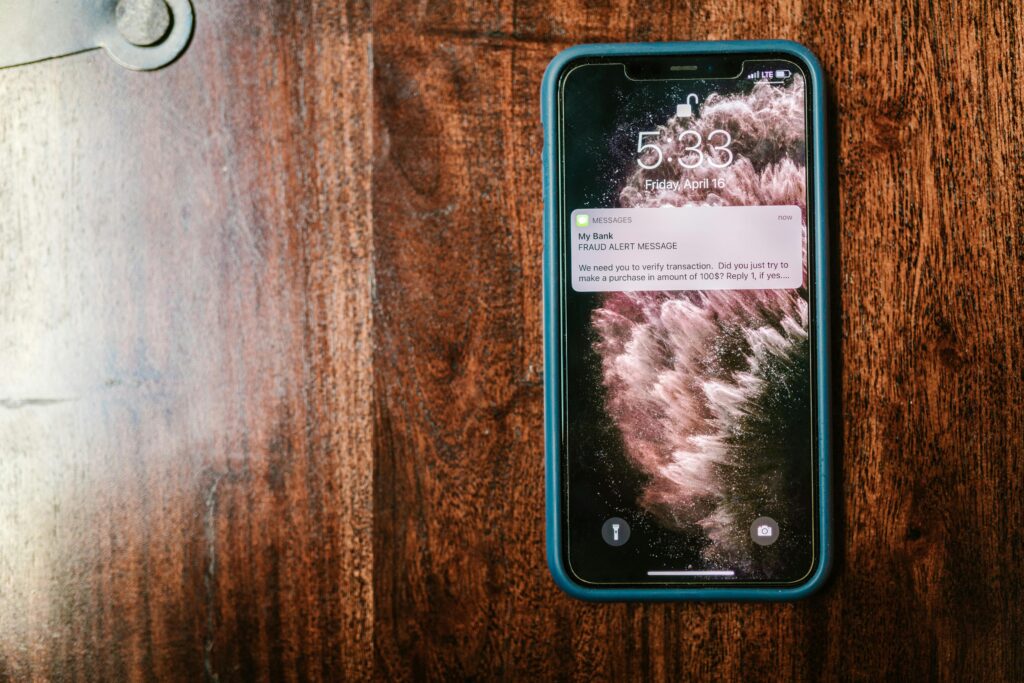
The Telephone Consumer Protection Act (TCPA) is a federal law protecting consumers from unwanted robocalls, text messages, and prerecorded voice calls. The TCPA also includes exceptions where callers are legally allowed to contact you without prior consent.
And recently, a major development has occurred:
The “Emergency Purposes” Exception has been expanded, giving certain callers more freedom to contact consumers without consent.
Below is a clear breakdown of all major TCPA exceptions, how they work, and why the recent expansion matters.
What Is an Exception Under the TCPA?
A TCPA “exception” is a circumstance where a caller can legally use:
- Autodialers
- Prerecorded/artificial voice messages
- Robocalls
- Automated text campaigns
without your prior express consent.
These exceptions are supposed to be narrowly tailored, tied to public safety or non-marketing informational needs. But as caselaw evolves, some of these exceptions shift—and consumers need to understand how those changes might affect their privacy.
Key Exceptions to the TCPA
1. Emergency Purposes Exception (Recently Expanded)
The TCPA has always allowed calls made for emergency purposes, originally meant to cover urgent threats to health or safety—think natural disasters, medical emergencies, or public safety alerts.
What’s New?
Recent cases have expanded the definition of “emergency purposes”, allowing a broader class of entities to claim that their messages qualify—even when the situation is not a traditional emergency.
Some courts have permitted:
- Certain healthcare-related messages
- Public service announcements
- Notifications deemed “time-sensitive”
- Alerts tied to public policy issues
This expansion may allow more callers to bypass consent requirements, meaning consumers could receive automated messages they previously would have been protected from.
Why This Matters
A broader emergency exception:
- Weakens consumer control over automated calls
- Creates uncertainty about what counts as a “true” emergency
- Invites potential abuse by organizations stretching the meaning of “urgent”
This shift highlights why understanding your TCPA rights is more important than ever.
2. Non-Commercial and Non-Marketing Calls
The TCPA’s strictest rules apply only to telemarketing. Calls that are purely informational—and do not promote a product, service, or commercial transaction—may be exempt.
Examples include:
- School district notifications
- Community alerts
- Weather-related closures
- Certain government messages
But the moment the call contains any marketing content, it loses the exception.
3. HIPAA-Regulated Healthcare Messages
Healthcare entities can deliver certain automated messages without prior consent, as long as they comply with both HIPAA and the TCPA.
Allowed examples:
- Prescription notifications
- Appointment reminders
- Lab result updates
- Preop/postop instructions
However, marketing by healthcare providers is not exempt.
4. Messages From the Government or Government-Authorized Entities
Government entities—and certain contractors acting on their behalf—may contact consumers using automated systems.
Examples:
- Public safety alerts
- Jury duty notifications
- Voting or election reminders
- Emergency weather warnings
However, private companies not directly acting under government authority do not enjoy this exemption.
5. The Established Business Relationship (EBR) Exception — Limited in Scope
Historically, companies that had an existing relationship with a consumer could send certain automated messages. This has been narrowed over the years.
Today, the EBR exception:
- Does NOT apply to cell phone robocalls
- Does NOT override the Do Not Contact List
Consumers often mistakenly believe this exception gives businesses more rights than it really does.
What You Can Do to Protect Yourself
Even with these exceptions:
- You still have the right to revoke consent.
- You can still place your number on the National Do Not Contact List.
- You can still sue violators for $500–$1,500 per illegal call or text.
- You can demand callers stop contacting you.
And if a company incorrectly claims an exception?
You can hold them accountable.
Need Legal Help With a TCPA Violation or Unwanted Automated Calls?
If you’re receiving robocalls, prerecorded messages, or automated texts that you did not consent to—especially from companies claiming exceptions—Attorney David Head can help.
David represents consumers in TCPA matters, including:
- Robocalls
- Unwanted text messages
- Artificial/prerecorded voice calls
- Do Not Contact List violations
- Emergency exception misuse
- Consent disputes
- Wrong-number calls
📞 Phone: 801-691-7511
You don’t have to tolerate misleading claims or unlawful automated calls. Your rights under the TCPA matter—and we’re here to help you enforce them.